
New Ceiling Designs Trending in India 2026
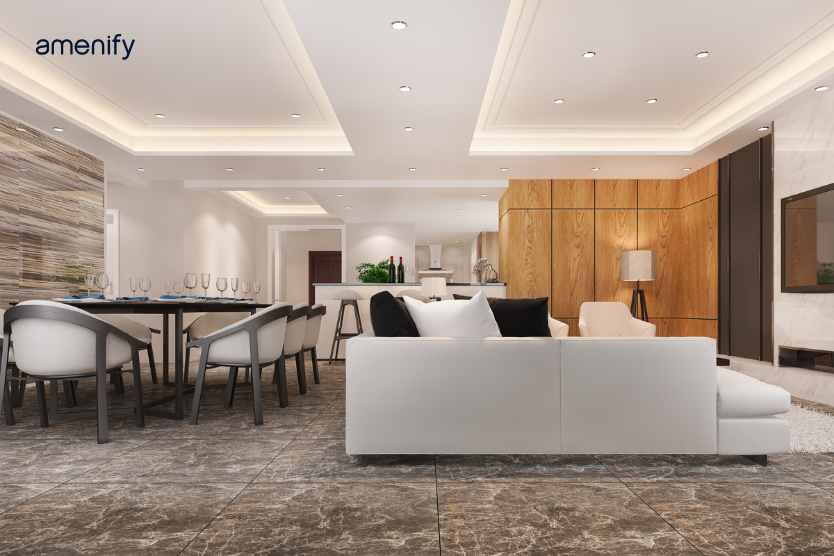
New ceiling design options dominate modern Indian homes, and 2026 brings stylish ideas worth exploring. Eco-friendly design and natural materials lead the way this year. Trends favour simplicity and functionality. You have many options, whether you plan a bedroom new ceiling design that creates a calmer retreat, a living room new ceiling design that suits entertainment zones, or a hall new ceiling design with a welcoming appeal. The latest false ceiling design trends focus on minimal layers, cleaner panels, and integrated lighting. This piece walks you through the most popular ceiling designs trending in India, room-specific applications, materials, costs, and installation considerations.
Table of Contents
Introduction: New Ceiling Designs Trending in India in 2026
Understanding the New Ceiling Design Trends in 2026
6 Most Popular New Ceiling Designs in India for 2026
Room-Specific New Ceiling Design Applications
Cost and Installation Considerations for New Ceiling Designs
Conclusion
Understanding the New Ceiling Design Trends in 2026
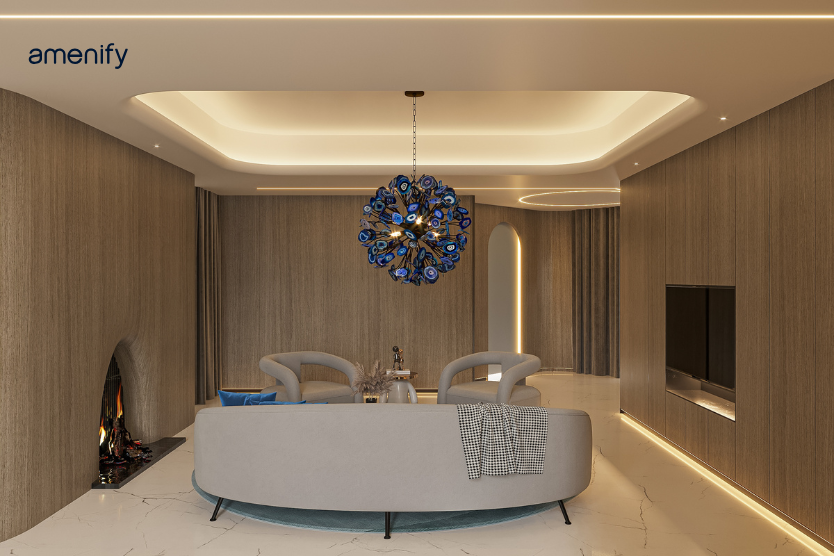
Few of the key pointers that have taken hold of 2026 are mentioned below.
What makes a ceiling design modern and trending
Designers now treat the ceiling as the fifth wall, a powerful design surface that transforms your space. Modern ceilings move beyond plain surfaces to become intentional design elements that boost lighting, mood, and spatial comfort without drawing unnecessary attention. The change prioritises well-being over spectacle, with designs that feel calm and timeless rather than overly dramatic.
Statement ceilings work well in living rooms, dining areas, and master bedrooms. You can express personality without overwhelming the decor. Contemporary designs focus on comfort as the new luxury. Your ceiling shapes how a room feels by managing temperature, sound, and light. Sharp corners and flat planes are stepping aside for gentle curves and sculpted forms that diffuse light and create a serene ambient glow.
Biophilic design elements bring warmth through organic materials and curved gypsum forms. They break the monotony of flat surfaces. These ceilings add emotional well-being by connecting you to natural textures. Smart technology integration has become standard, with false ceilings supporting dimmable lights, scene-based settings, and app-controlled or voice-controlled systems.
Key materials driving 2026 ceiling trends
Gypsum remains the most popular material due to its clean finish, design flexibility, and compatibility with modern lighting systems. Over 70% of new apartments now include some form of false ceiling, with gypsum preferred for its acoustic performance and factory-finished look. The material offers thermal insulation, which makes it ideal during the summer months. Its lightweight nature ensures safety on larger span areas.
Read More: Gypsum False Ceiling Designs for 2026
Hy-board delivers durability and longevity, while POP (Plaster of Paris) continues as a favourite for its versatility in creating sleek, straight-line designs or refined curves. PVC panels suit moisture-prone areas with low maintenance requirements. Wood panels and eco-friendly composites are trending as part of the biophilic movement. Designers use wooden accents or slatted panels to add warmth without increasing maintenance.
The role of lighting in contemporary ceiling designs
Cove lighting has evolved from a supporting feature into the central design element. Living rooms now use indirect lighting that spreads across the ceiling, which reduces glare and creates a warm ambience. Designers prefer subtle LED strips concealed within ceiling profiles instead of multiple downlights. This gives spaces a premium feel.
Hidden LED strips and recessed spotlights create soft layers of light that shape your home's mood. Layered lighting combines ambient, task, and accent sources for a balanced setup. Smart LED integration allows colour-changing lights and dimming that adjusts according to the time of day.
Read More: 9 Stunning Ceiling Light Designs to Brighten Your Home
6 Most Popular New Ceiling Designs in India for 2026
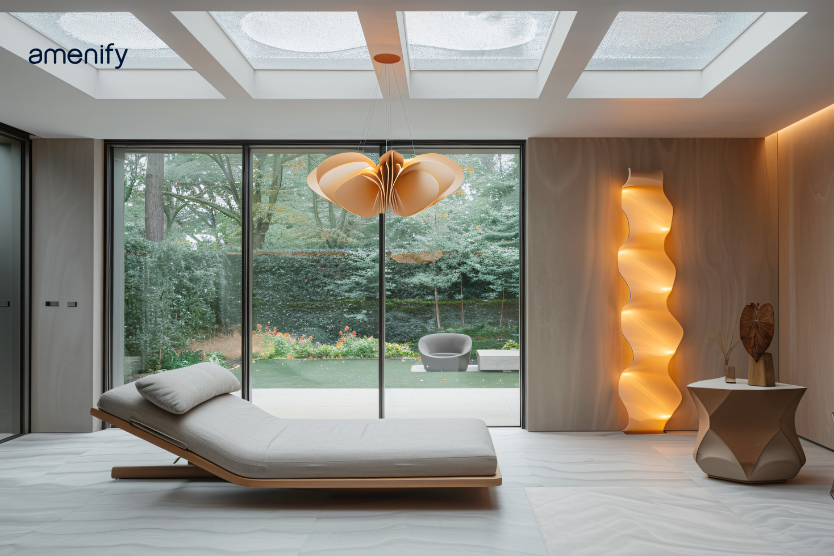
Six distinct design approaches dominate ceiling trends across Indian homes. Each addresses specific aesthetic and functional needs.
Minimalist layered profiles with hidden lighting
Simple gypsum board borders paired with concealed cove lights offer an economical new false ceiling design approach. A 10 to 20 inch border width accommodates downlighters. LED strips create mood lighting without full false ceiling coverage. Profile lights deliver sleek linear aesthetics. Concealed magnetic track lights provide modern adjustable illumination. Panel lights work on ceilings and eliminate false ceiling requirements.
Eco-friendly natural material ceilings
Bamboo ceilings lead to environmentally responsible options. The material matures in just 3-5 years and locks 1,660 kg of CO₂ per cubic metre. Reports show that 40% of new construction projects now incorporate environmentally responsible materials. Bamboo offers high density and fire resistance. It provides flexibility for pressing on fire-retardant substrates. Recycled gypsum boards and wood wool panels provide additional green building solutions. Natural fibre acoustic tiles offer thermal regulation and sound insulation properties.
Bold 3D sculptural ceiling elements
Three-dimensional patterns transform ordinary surfaces into artistic statements. Fan-like overlapping layers and geometric interconnected shapes add movement and depth. Swirling motifs create visual interest. Laser-cut jali patterns with backlighting and blooming flower petal designs create visual drama in your bedroom new ceiling design, or living room new ceiling design spaces. Starry night effects using embedded small lights add another dimension.
Tech-enabled smart false ceiling systems
Smart ceilings integrate app-controlled and voice-controlled lighting with motion sensors. Climate control features adapt room temperature and offer scene-based settings that adjust throughout the day. Modular systems like jointless panel designs ensure smooth surfaces over large areas.
Soft biophilic green-toned ceilings
Nature-inspired colour palettes featuring 24 standard designer shades bring outdoor serenity indoors. Neutrals such as Oat and Sandstone combine with brighter colours, including Boxwood and Fern. Polar and Mist offer lighter options. Deeper shades like Ivy improve biophilic design principles that support well-being.
Industrial-chic exposed beam designs
Exposed structural steel and timber beams create open, loft-like atmospheres in your hall new ceiling design. The raw aesthetic adds architectural honesty. It increases perceived ceiling height and spatial depth. Steel I-beams in dark hues or natural patina complement concrete and deliver urban sophistication.
Room-Specific New Ceiling Design Applications
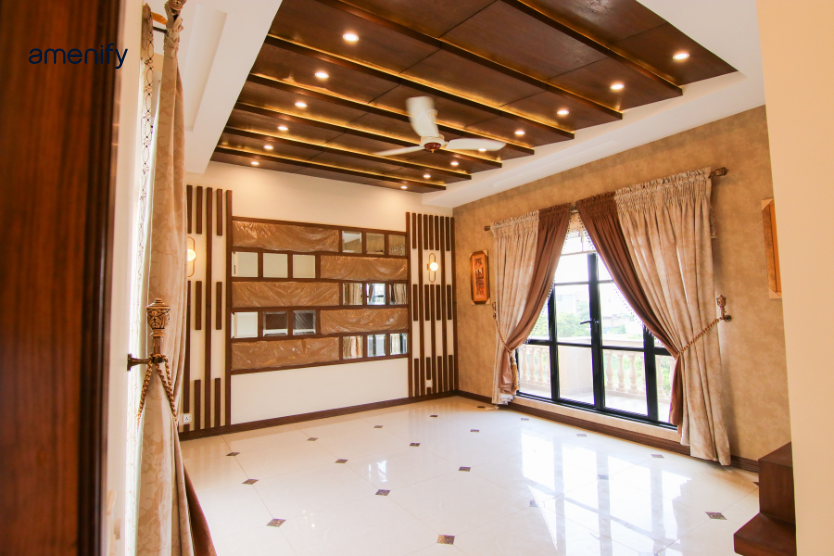
Ceiling applications vary a lot based on room function and the atmosphere you want to create.
Hall new ceiling design with a welcoming appeal
Your hall creates the first impression of your home. A well-designed false ceiling is essential to set the right tone. Multilevel designs, geometric patterns, and curved organic shapes work well in entrance areas. False ceilings here improve sound quality, distribution, and thermal insulation. They also improve lighting distribution within the space. So you can choose from simple gypsum to highly designed wooden patterns that beautify the ambience and conceal wiring.
Bedroom new ceiling design creating calm spaces
Bedrooms require tranquil, calming designs rather than busy aesthetics. Peripheral false ceilings run along walls and create an added dimension without distracting visual elements. Single-layer gypsum ceilings with light colour palettes suit compact bedrooms. They create an illusion of space. Cove lighting paired with false ceilings creates a serene atmosphere perfect to relax in, with a soft, indirect glow that improves the overall mood.
Living room new ceiling design for entertainment zones
Living rooms need grandeur to entertain. Coffered or tray ceilings achieve this, while layered gypsum designs create depth. Current trends balance minimal lines with personality. They include layered trays, geometric POP cutouts, and warm wooden accents. Smart lighting with dimmable LEDs and scene-controlled fixtures creates flexible moods to suit different occasions.
New ceiling design drawing room blending style and function
Drawing room ceiling designs improve aesthetic appeal through sleek modern looks while providing practical benefits. Materials like glass, wood, and gypsum offer versatility. Modern designs lift aesthetics with recessed lighting and innovative materials. They combine functionality with style naturally.
Kitchen and dining area ceiling treatments
Kitchen ceilings play major roles in how spaces feel and function. Layered false ceilings, wooden panels, and smooth plaster finishes are gaining popularity in modern Indian homes. Gypsum false ceilings with recessed lighting create warm, well-lit spaces. Tray or layered designs serve as focal points for dining areas. Dimmable lights improve ambience for both casual meals and formal dinners.
Cost and Installation Considerations for New Ceiling Designs

Budget planning shapes your new ceiling design choices in materials and installation methods.
Average cost breakdown by design type
Material selection affects your overall expenditure. Gypsum boards range from ₹75 to ₹145 per sq ft, depending on quality. POP costs ₹95 to ₹105 per sq ft. PVC panels fall between ₹160 and ₹185 per sq ft, making them suitable for moisture-prone areas. Wood finishes command premium pricing, with laminates at ₹700 to ₹800 per sq ft and veneers reaching ₹900 to ₹1,200 per sq ft. Metal ceilings cost ₹120 to ₹160 per sq ft, while glass options span ₹250 to ₹550 per sq ft. POP costs 20 to 40 percent less than gypsum boards.
Choosing between DIY and professional installation
Professionals bring training, building code knowledge, and insurance protection. DIY attempts often lead to measurement errors and misaligned joints. Safety hazards become common. Professional teams complete installations faster and reduce long-term risk. Panels cut with wrong or damaged fittings increase hidden costs despite original savings.
Maintenance requirements for different materials
False ceilings require regular upkeep. Gypsum may develop joint cracks over time due to fixture installations or wall movements. Moisture-resistant boards prevent repairs that require a complete breakdown.
Conclusion
Your new ceiling design can change any room. You might choose minimalist layered profiles, eco-friendly bamboo, or smart integrated systems. Over 70% of new apartments now incorporate false ceilings, and the trend reflects modern homeowners' priorities.
Assess your budget and room requirements before you finalise materials. Think about your maintenance capacity, too. Professional installation will give you safety and longevity. Partner with experienced providers like Amenify to get expert guidance. The right ceiling design raises your space and delivers lasting value.
How Amenify Can Help?
With Amenify India, you can simplify your ceiling upgrade or maintenance without the hassle of managing multiple vendors. Amenify connects you with verified professionals for false ceiling installation, repairs, and home improvement services, ensuring quality work and timely execution.
Whether you're planning a new ceiling design or need expert help for upkeep, Amenify offers a reliable, end-to-end service experience to keep your home looking its best.
FAQs
-
Gypsum boards are the most widely used material due to their clean finish and design flexibility, appearing in over 70% of new apartments. POP (Plaster of Paris) remains popular for creating both straight lines and curves, while PVC panels work well in moisture-prone areas. Eco-friendly options like bamboo and wood panels are gaining traction as part of the biophilic design movement, offering sustainability alongside aesthetic appeal.
-
Costs vary significantly based on material choice. Gypsum boards range from ₹75 to ₹145 per square foot, while POP costs between ₹95 and ₹105 per square foot. PVC panels are priced at ₹160 to ₹185 per square foot, and premium wood finishes can cost ₹700 to ₹1,200 per square foot. Metal ceilings fall in the ₹120 to ₹160 range, while glass options span ₹250 to ₹550 per square foot.
-
Single-layer gypsum ceilings with light-coloured palettes are ideal for compact bedrooms, as they create an illusion of more space. Peripheral false ceilings that run along the walls add dimension without overwhelming the room. Pairing these designs with cove lighting creates a serene atmosphere with a soft, indirect glow, perfect for relaxation without making the space feel cramped.
-
Professional installation is strongly recommended as it ensures proper execution, building code compliance, and safety. Professionals complete installations faster and bring insurance protection, reducing long-term risks. DIY attempts often result in measurement errors, misaligned joints, and safety hazards. Hidden costs from mistakes like incorrectly cut panels or damaged fittings can quickly eliminate any initial savings.
-
Smart ceiling systems now support app-controlled and voice-controlled lighting with features like motion sensors and climate control. These systems offer scene-based settings that automatically adjust throughout the day, creating different moods for various occasions. LED strips concealed within ceiling profiles provide dimmable, colour-changing options that reduce glare while creating a warm ambience, replacing the need for multiple traditional downlights.
-
Amenify India is an award winning best interior designers company offering luxury smart interiors for home and commercial spaces backed by patented 3D Virtual Reality technology to turn your vision into reality. Get 20% off today on your next interior project, call us at +919873123716.
