
Stunning Bathroom Tiles Design Ideas For Floor And Wall
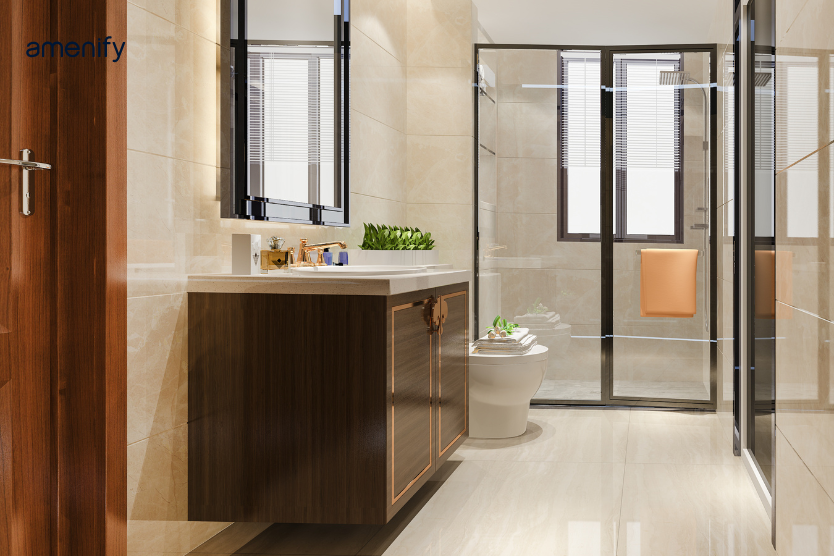
Does your bathroom still feel dull, unsafe, or outdated, no matter how often you clean it? Many homeowners reach this stage slowly. The bathroom functions fine, yet it doesn’t feel welcoming. The floor feels slippery. The walls look tired. And somewhere in the middle of scrolling endless design ideas, you start worrying, what if I choose the wrong tiles and regret it later?
That confusion is real. Bathroom renovations feel permanent, and tile decisions are not easy to undo. This guide is written to help you make confident, practical choices with bathroom tiles design, choices that look good, last long, and work perfectly for Indian homes.
Key Takeaways
A smart bathroom tiles design directly impacts safety, hygiene, and daily comfort
Floor tiles and wall tiles must be selected differently based on usage
Material quality matters more than design trends
Indian bathrooms need tiles that handle moisture, hard water, and daily wear
Planning tile layout early avoids long-term maintenance issues
What Are Bathroom Tile Designs?
Bathroom tiles design is about the selection, placement, and combination of tiles on bathroom walls and floors for durability, safety, and aesthetics. It is not just about colour or pattern; it’s about performance.
The correct tiles help to keep your bathroom easy to clean, safe to walk on, and attractive over time. On the other hand, poor choices of tiles can lead to slippery floors, difficult-to-clean stains, and cracked tiles.
Why Bathroom Tile Design Is Important in Indian Homes
Indian bathrooms face unique challenges that many global designs don’t account for. High humidity, hard water stains, frequent usage, and compact layouts demand tiles that are functional first.
That’s why a thoughtful indian bathroom tiles design prioritises moisture resistance, slip prevention, and easy maintenance without compromising on aesthetics. Amenify home experts often observe that most bathroom problems are caused by poor tile selection, not poor cleaning habits.
Modern Application Areas: Tiles for Every Bathroom Surface
Understanding application areas helps avoid using the wrong tile in the wrong place, a common mistake in renovations. Bathrooms are divided into functional zones, and each zone needs a different tile approach.
Where Tiles Are Commonly Used
Bathroom floor tiles must provide grip, durability, and water resistance, especially in wet areas.
Shower walls require tiles that resist moisture penetration and soap stains.
The surfaces behind washbasins should be smooth and easy to clean.
Walls that are in a dry zone provide greater design options using both textures and patterns.
Best Bathroom Tile Materials for Floor and Wall
Below are a few tile materials that are commonly used in most good-looking bathrooms.
Ceramic Tiles
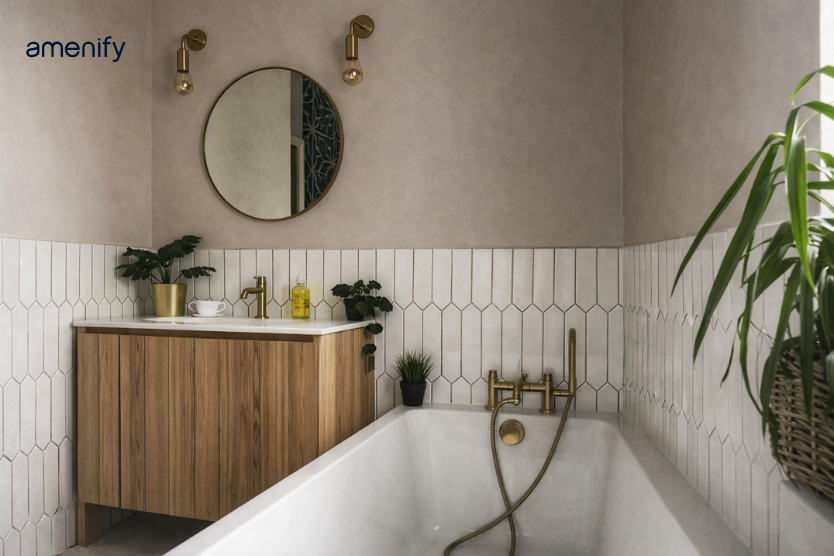
Ceramic tiles are often used for walls because they are a lightweight material and easy to keep clean. They also come in a wide variety of colours and finishes, so they can make attractive wall surfaces when high-impact resistance is not a consideration.
These tiles work best in dry zones or on vertical surfaces, offering flexibility in bathroom wall tiles design without adding unnecessary weight.
Porcelain Tiles
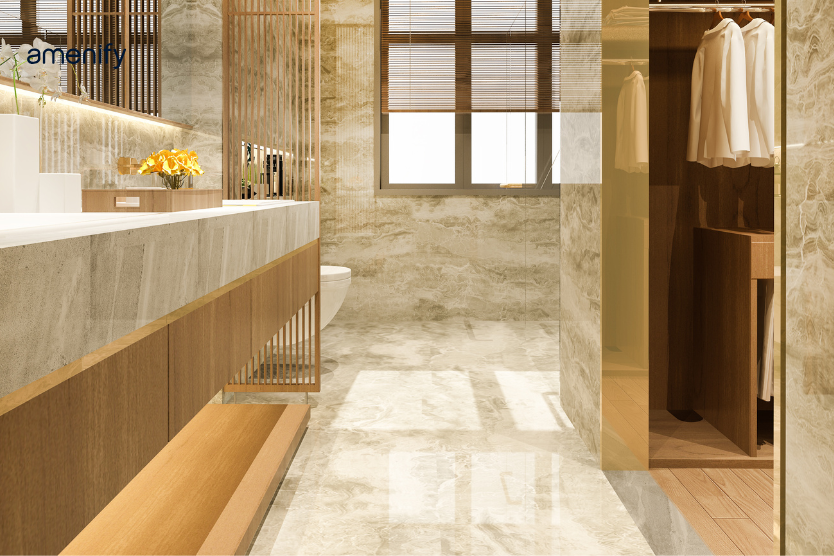
Porcelain floors tend to be denser than other types of bathroom floor tiles; therefore, they are highly desirable for bathroom flooring installations. Due to their moisture-resistant properties, they are highly resistant to scratches and stains and are an appropriate choice for bathrooms that experience a high volume of foot traffic.
Most Indian homeowners choose porcelain tiles due to their longevity and minimal upkeep.
Vitrified Tiles
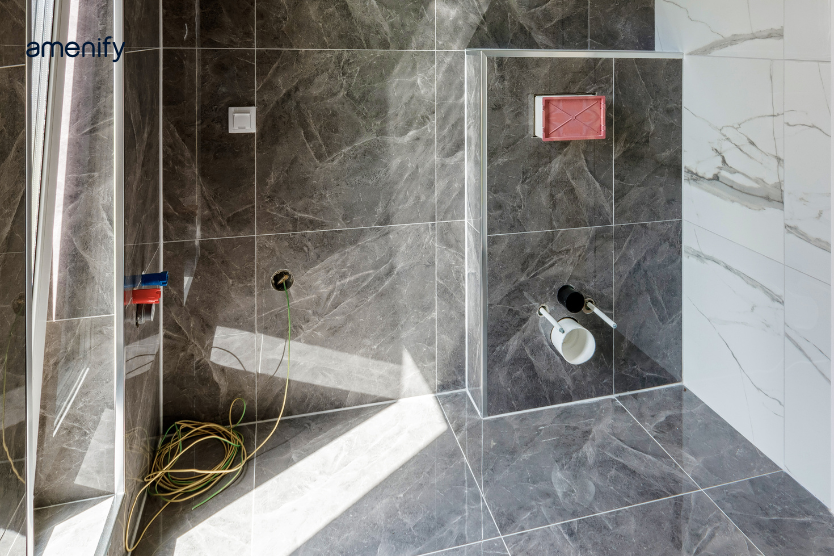
Vitrified tiles have very low water absorption and offer a seamless appearance. They are widely used Vitrified flooring products that typically have less water absorption; thus, when installed as a continuous flooring surface from the floor to the walls in contemporary design bathrooms, they provide a seamless continuity between the two surfaces.
These tiles perform well in humid conditions and are a strong choice for contemporary bathroom tiles design.
How to Choose the Right Size for Bathroom Wall and Floor Tiles
We have mentioned a few pointers that you should take into consideration while choosing your bathroom wall and floor tiles.
Small Tile Sizes
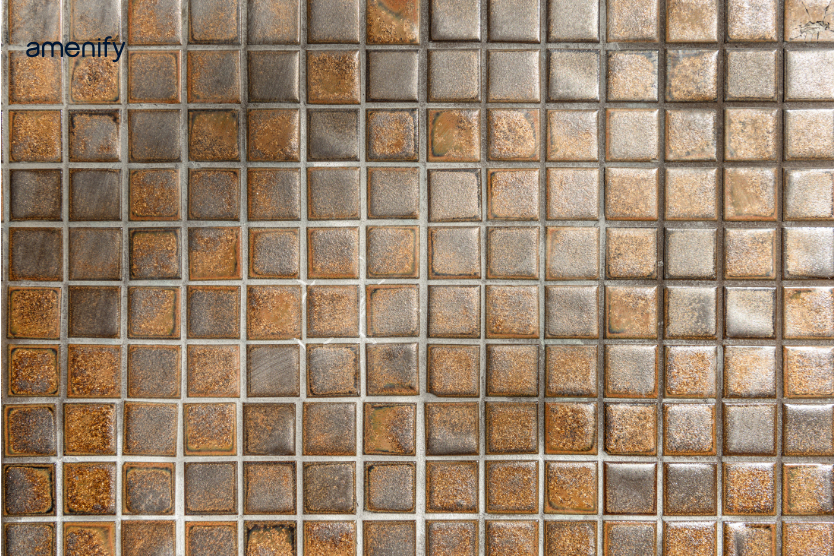
In small restrooms, using smaller-sized tiles creates a non-slip surface, as well as providing more options in how you can lay them out. If used with texture, smaller tiles will provide an increased level of slip resistance for wet areas.
However, large-format tiles require additional grout lines that result in an increase in cleaning time.
Large Format Tiles
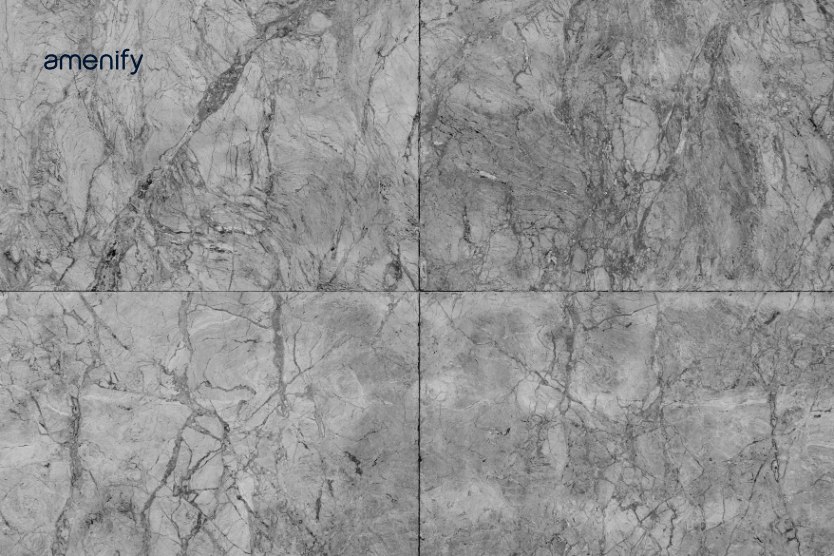
Large tiles create a clean, spacious look by reducing grout lines. They are easier to clean and make small bathrooms appear larger when installed correctly.
Modern bathroom wall tiles design often uses large-format tiles to create a clean and uncluttered look.
Tile Thickness and Edge Finish
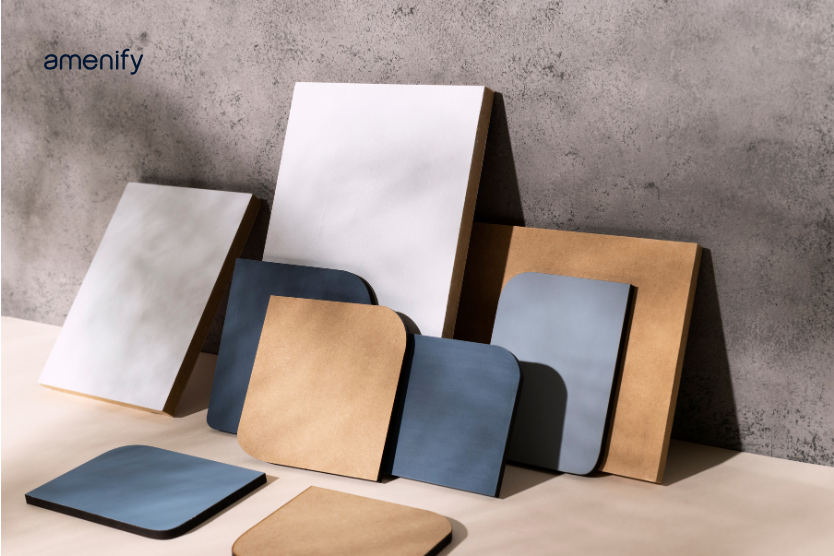
The thickness and edge finish of a tile will affect its durability. Matte and bevelled edges are safer for flooring surfaces, especially when there are children or elderly members of the family in the home.
Top Colour Choices for Modern Bathroom Tiles Design
Colour plays a major role in how your bathroom feels on a daily basis.
Light shades like white, beige, and light grey reflect natural and artificial light, making bathrooms feel brighter and more open. These colours also pair well with most fittings.
Earthy tones add warmth, while darker shades are best limited to accent walls or dry zones. A balanced bathroom tiles design avoids overly dark floors, which can make spaces feel smaller and harder to maintain.
Bathroom Floor and Wall Tile Design Ideas
Here are some of our best ideas for flooring and wall tile designs in bathrooms.
Marble-Inspired Tile Designs
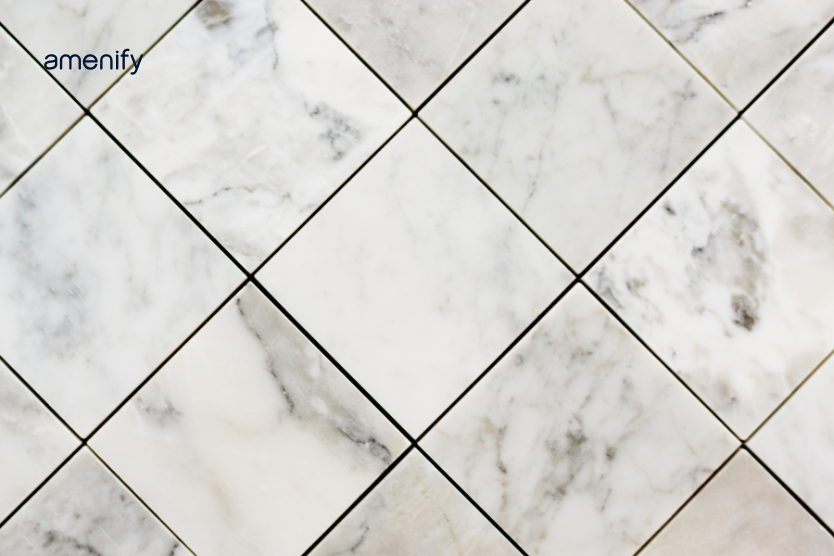
Marble-look tiles are beautiful and will maintain their beauty through the years but require little maintenance after installation. They can be used as flooring or wall tiles to achieve both a luxurious and useful bathroom experience.
Textured and Patterned Tiles
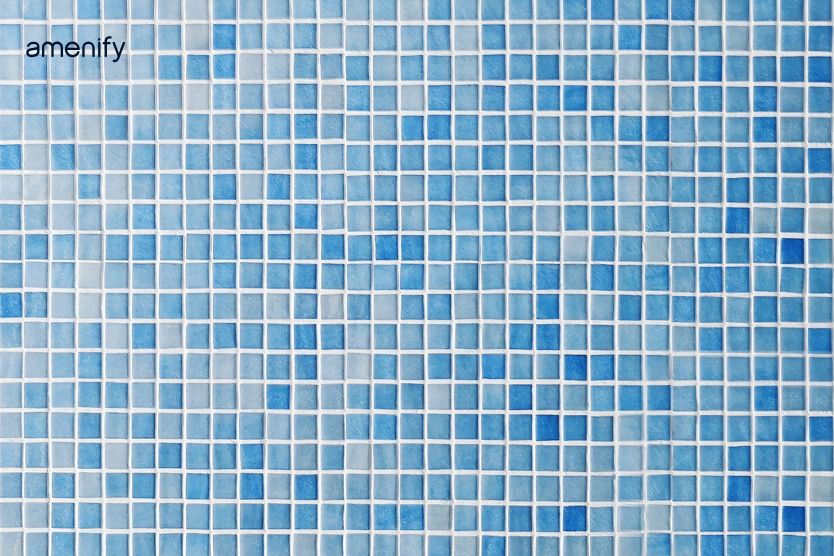
Textured tiles improve slip resistance and are ideal for wet zones. Patterned tiles, when used selectively, add visual interest without overwhelming the space.
Subway, Herringbone, and Grid Patterns
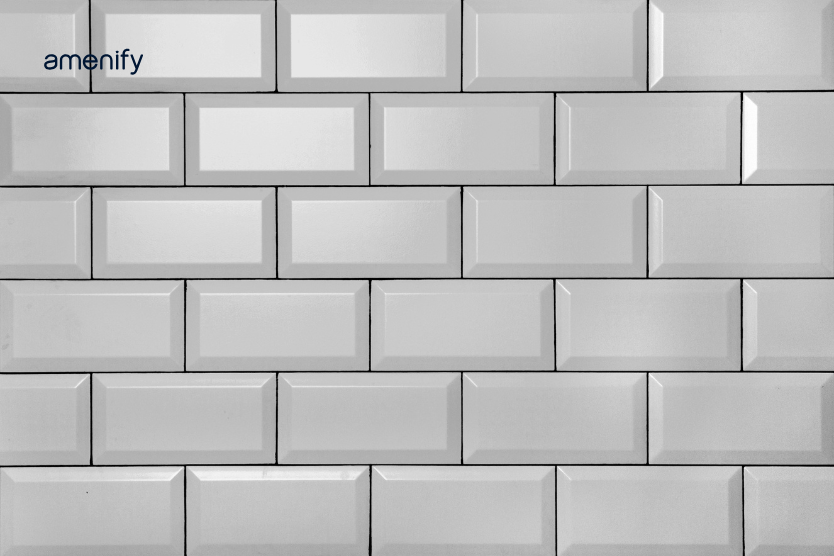
These patterns are classic patterns that have remained stylish after many years because of their versatility. The two look good in anything from a small contemporary bathroom to a small traditional bathroom.
Wood-Look and Stone-Look Tiles
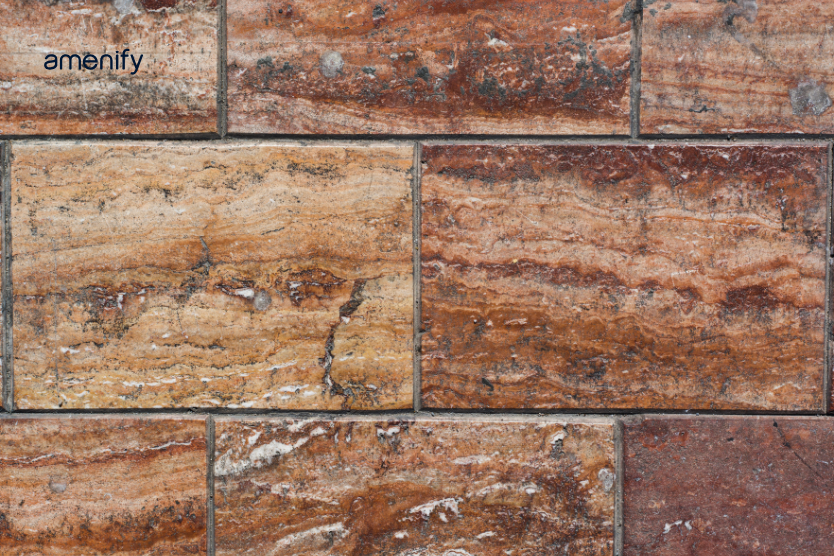
These tiles provide the warmth of natural materials while remaining moisture-friendly. Additionally, they are becoming very popular in Indian bathroom tiles design to achieve spa-like interiors.
Latest Trends in Bathroom Tiles Design
The latest trends in client bathroom tile design emphasise practicality, silhouette, and subjectivity. With the use of large-format tiles, matte finishes, and a neutral colour palette, they tend to be used throughout the home.
Japandi-inspired designs, monochrome themes, and minimal grout lines are also gaining popularity. According to our design professionals, their recommended trends will be those that are simple to maintain and give longevity over time.
How to Choose the Right Bathroom Tiles
Following these steps ensures your bathroom tiles design remains practical and visually appealing for years.
Identify wet and dry zones clearly
Select tile material based on usage and durability
Choose a colour palette that enhances the space
Decide on a finish: matte for safety, glossy for walls
Check slip resistance ratings
Plan tile layout before installation
Expert Advice for Bathroom Tile Installation and Maintenance
A good waterproof base must be in place prior to tile installation since proper drainage depends on the slope of the floor. Grout quality shouldn't be sacrificed for the sake of longer-lasting tiles, so you must ensure that the tiles are installed using quality grout.
To keep tiles free from stains, use soft, gentle cleaning products to clean them on a regular basis. Cleansing Experts from Amenify recommend avoiding abrasive cleaners, especially when cleaning any type of matte or textured tile.
Final Thoughts
Overall, planning a beautiful bathroom tiles design will enhance the overall appearance of your bathing space while providing safety, hygiene, and comfort in your bathing experience. Selecting suitable bathroom floor tiles and bathroom wall tiles design for your shower will help you to create a functional yet stylish bathing area that can be enjoyed for many years.
When decisions are guided by practicality and Indian living conditions, results are always better. Amenify continues to help homeowners make informed, long-term design choices that truly work.
FAQs: People Also Ask
-
Vitrified tiles and porcelain tiles are very suitable due to their durability and low water absorption
-
Glossy tiles are better for walls. Floors should ideally have a matte or textured finish.
-
Light colours like white and beige help reflect light and create a spacious feel.
-
Wall tiles are thinner compared to floor tiles (which are thicker), and they're not meant to be used as flooring because they don't bear weight as a floor tile does.
-
Amenify India is an award-winning best interior designers company offering luxury smart interiors for home and commercial spaces backed by patented 3D Virtual Reality technology to turn your vision into reality. Get 20% off today on your next interior project; call us at +919873123716
